
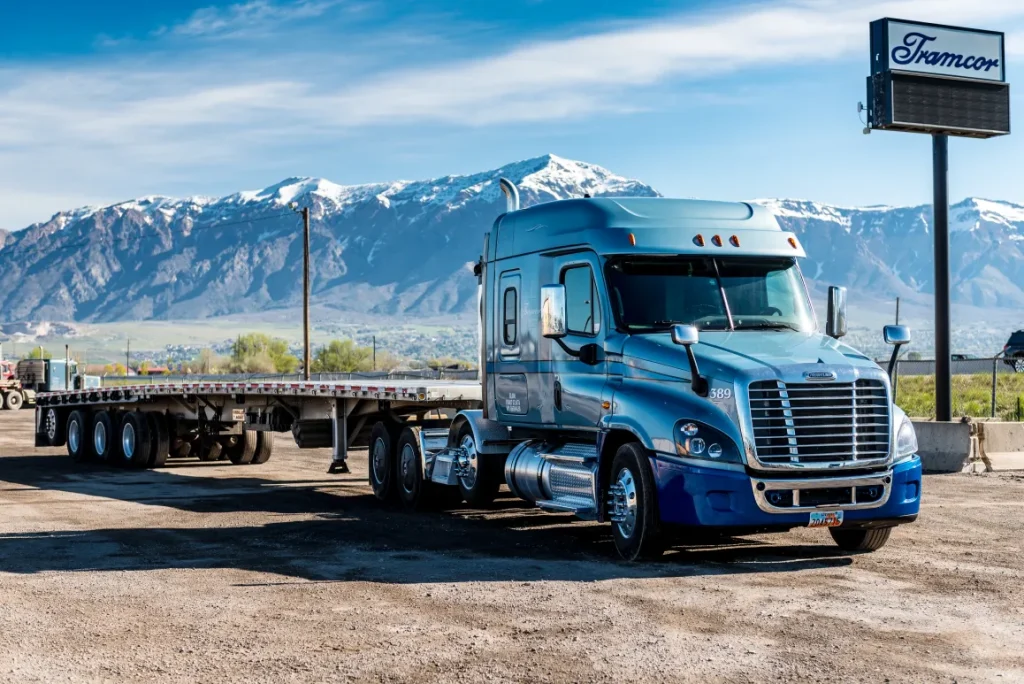

Interstate heavy haul trucking is a vital part of today’s logistics ecosystem, enabling the safe and compliant movement of oversized and overweight cargo across state borders. As industries continue to expand in 2026, demand for specialized transport solutions has increased across construction, energy, infrastructure, mining, and manufacturing sectors.
Interstate heavy haul trucking is not simply about moving large freight. It involves engineering precision, regulatory compliance, and advanced logistics coordination to ensure that every shipment reaches its destination safely, efficiently, and on time. Heavy Lux provides specialized logistics solutions designed to manage complex freight requirements with a focus on safety, accuracy, and operational reliability.
Understanding Interstate Heavy Haul Trucking in 2026
Interstate heavy haul trucking refers to transporting cargo that exceeds standard legal size or weight limits across multiple states. These shipments require specialized trailers, carefully planned routes, permits, and often escort vehicles.
In 2026, this sector has become more complex due to stricter transportation regulations, infrastructure limitations, and rising demand for industrial expansion.
Common industries relying on interstate heavy haul trucking include:
- Renewable energy (wind turbines, solar infrastructure components)
- Oil and gas equipment transport
- Construction and earthmoving machinery
- Industrial manufacturing equipment
- Power generation systems like transformers
- Pre-fabricated structural materials
Each of these requires tailored logistics planning based on size, weight, fragility, and delivery deadlines.
Why Interstate Heavy Haul Trucking Is Essential Today
Interstate heavy haul trucking plays a critical role in supporting national development and industrial supply chains. Without it, many large-scale projects would face significant delays or increased costs.
Key reasons for its importance include:
- Enables movement of oversized industrial assets
- Supports infrastructure expansion and construction projects
- Connects manufacturing hubs across different states
- Ensures timely delivery of critical equipment
- Reduces downtime in large-scale operations
As infrastructure development accelerates globally, demand for reliable heavy haul logistics continues to rise steadily.
Major Challenges in Interstate Heavy Haul Trucking
Despite its importance, interstate heavy haul trucking comes with significant operational challenges that require advanced expertise and coordination.
1. Multi-State Regulatory Compliance
Each state enforces different transportation laws, including weight limits, travel time restrictions, and permit requirements. Coordinating approvals across jurisdictions requires careful planning and documentation accuracy.
2. Route Restrictions and Infrastructure Limitations
Bridges, tunnels, road widths, and overhead clearances often restrict movement. Even a minor miscalculation in route planning can lead to costly delays or forced detours.
3. Load Safety and Engineering Complexity
Improper load distribution can lead to instability during transit. Engineering teams must calculate axle loads and secure cargo using advanced restraint systems.
4. Weather and Environmental Risks
Heavy rain, wind, snow, and flooding can significantly impact interstate transport schedules. Weather monitoring is essential for safe delivery planning.
5. Escort Vehicle Coordination
Oversized shipments often require pilot vehicles to ensure road safety, manage traffic, and assist with navigation through complex routes.
Strategic Planning for Interstate Heavy Haul Trucking
Efficient interstate heavy haul trucking depends on detailed pre-shipment planning. Every stage must be analyzed before transport begins.
Advanced Route Optimization
Modern logistics systems use digital mapping tools to analyze bridge heights, road capacities, and traffic patterns. This ensures selection of the safest and most efficient route.
Permit Acquisition and Documentation
Proper documentation is essential for compliance. This includes state permits, escort approvals, and transportation authorizations, all of which must be secured before departure.
Equipment and Trailer Selection
Different cargo types require different trailer configurations, such as:
- Multi-axle trailers for weight distribution
- Extendable trailers for long cargo
- Lowboy trailers for tall equipment
- Hydraulic modular trailers for extreme loads
Load Assessment and Engineering
Before transport, engineering teams evaluate weight distribution, center of gravity, and cargo stability to prevent shifting during transit.
Safety Standards in Interstate Heavy Haul Trucking
Safety is the foundation of every successful interstate heavy haul trucking operation. Without strict safety protocols, risks increase significantly for both cargo and public infrastructure.
Core safety practices include:
- Comprehensive load securing systems
- Routine vehicle inspection before transit
- Driver fatigue monitoring and scheduling controls
- GPS tracking for real-time visibility
- Communication protocols between drivers and dispatch teams
Compliance with federal and state transportation regulations ensures that every shipment is legally and safely executed.
Technology Advancements Transforming Heavy Haul Logistics
Technology is reshaping interstate heavy haul trucking by improving efficiency, visibility, and safety.
Real-Time Tracking Systems
GPS-based tracking allows logistics teams to monitor shipments in real time, ensuring immediate response to any delays or route changes.
Predictive Analytics
Data-driven forecasting tools help anticipate traffic congestion, fuel usage, and environmental risks before transport begins.
Digital Permit Systems
Automated permit processing reduces administrative delays and improves regulatory compliance across multiple states.
Fleet Telematics
Modern trucks are equipped with telematics systems that monitor engine performance, fuel efficiency, and driver behavior in real time.
Best Practices for Interstate Heavy Haul Trucking
Industry leaders follow proven strategies to improve efficiency and reduce risk in heavy haul operations.
1. Early Planning and Coordination
All route analysis, permits, and equipment selection should be completed well in advance of departure.
2. Risk Assessment Before Transport
Each shipment should undergo a detailed risk evaluation covering weather, infrastructure, and cargo stability.
3. Proper Equipment Matching
Selecting the right trailer type and support equipment ensures safety and compliance.
4. Continuous Communication
Clear communication between drivers, dispatch teams, and escort vehicles helps prevent errors during transit.
5. Compliance Monitoring
Ongoing adherence to state and federal regulations ensures uninterrupted transport operations.
Economic Impact of Interstate Heavy Haul Trucking
Interstate heavy haul trucking significantly contributes to economic growth by enabling large-scale infrastructure and industrial development.
Its impact includes:
- Supporting energy sector expansion
- Facilitating construction of highways, bridges, and power plants
- Enabling manufacturing supply chain efficiency
- Encouraging interstate trade and commerce
Without efficient heavy haul logistics, many industries would face operational bottlenecks and increased project costs.
Heavy Lux Expertise in Interstate Heavy Haul Trucking
Heavy Lux specializes in managing complex logistics operations involving oversized freight across state lines. The focus remains on precision, compliance, and operational efficiency throughout every stage of transport.
By combining advanced logistics technology with industry expertise, Heavy Lux ensures that interstate heavy haul trucking projects are executed with accuracy and reliability. Every shipment is planned with attention to detail, ensuring minimal risk and maximum efficiency.
Conclusion
Interstate heavy haul trucking is a highly specialized logistics discipline that requires engineering precision, regulatory expertise, and advanced coordination. In 2026, its importance continues to grow as industries expand and infrastructure projects become more complex. Heavy Lux plays a key role in supporting this evolution by delivering structured, compliance-driven transport solutions tailored for oversized freight movements.
Efficient heavy haul logistics ensures that oversized and critical freight moves safely across state borders without delays or compliance issues. Businesses that rely on structured planning and expert coordination gain a strong competitive advantage in cost control, safety, and operational efficiency.
As demand increases, interstate heavy haul trucking remains a cornerstone of modern industrial logistics, enabling progress across construction, energy, manufacturing, and infrastructure development while reinforcing the need for reliable, precision-based transport solutions.