
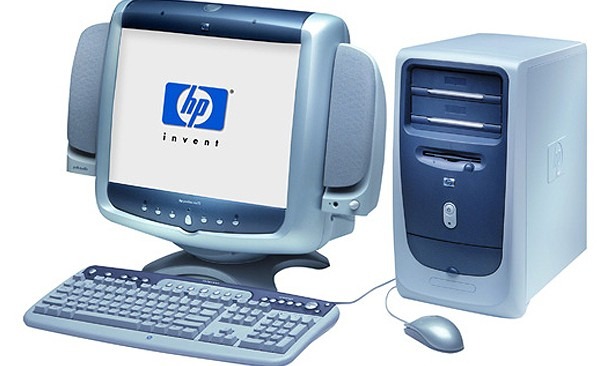

HP did not buy Compaq because the PC market looked healthy. It bought Compaq because the market looked ugly, crowded, and unforgiving. The Compaq Computer Business Acquisition became a bet that size could fix weak margins, slow growth, and pressure from Dell. On paper, the deal gave HP more reach in personal computers, servers, and business technology. It also promised a company with about $87 billion in revenue and enough scale to stand near IBM.
That was the selling point. The problem was the bill hidden behind it.
For American business owners, founders, and operators, this story is not dusty tech history. It is a warning about buying volume when what you need is profit, focus, and cleaner execution. A company can look larger after a merger and still become harder to run. That is why brands studying business growth signals should look past press-release size and ask a colder question: what problem does the deal truly solve?
The Deal Was Born From Weakness, Not Strength
HP and Compaq entered the deal during a rough stretch for U.S. technology. The dot-com boom had cooled, business spending was tight, and PC makers were fighting over thinner margins. That setting matters because a merger made in fear often gets described later as vision. Sometimes it is. Often, it is damage control in a better suit.
The HP Compaq merger was announced in 2001 as a stock deal worth roughly $25 billion, though market swings later changed how people described the value. It aimed to put two major computer makers under one roof and give HP a larger hand in PCs, servers, storage, and services.
HP wanted size, but Dell had the better model
HP believed size would help it compete. Compaq brought PC share, server strength, and a larger corporate customer base. That sounded useful because Dell was winning with a cleaner direct-sales model, lean inventory, and sharper cost control.
Here is the part many deal stories miss: Dell was not beating rivals only because it was big. It was beating them because it moved faster with less waste. If your rival wins through speed, buying a slower company does not make you faster by default.
A small U.S. retailer can understand this without reading a balance sheet. If one local appliance store is losing customers to a competitor with better delivery, buying another slow store may double the headaches. More trucks. More staff. More leases. Still late deliveries.
HP faced that kind of trap. Compaq gave it more machines to sell, but it also gave it more overlap to sort out. More brands. More product lines. More internal turf. Scale can lower costs, but only after the company survives the mess of becoming larger.
Compaq carried assets and baggage together
Compaq was not worthless. That would be too simple. It had a real name, strong enterprise relationships, server credibility, and a history as one of America’s best-known PC brands. It had also bought Digital Equipment Corporation before HP bought Compaq, which gave it deeper enterprise pieces but also more complexity.
That mix is why the price debate became so heated. HP was not buying a clean PC company. It was buying a company that already carried past integration work, aging product lines, and exposure to the same PC margin pressure HP wanted to escape.
The non-obvious lesson is that troubled assets can still look attractive when they fill gaps in your strategy. Compaq gave HP things it wanted. The mistake was not seeing value. The mistake was paying as if that value would be easy to pull out.
That rarely happens. Value locked inside a messy company is not the same as cash in a drawer.
Why the Business Acquisition Looked Cheaper Than It Was
Big deals often get defended with neat math. The buyer says costs will fall, market share will rise, and customers will benefit from one stronger company. HP used that logic too. Supporters argued the combination could save billions and lift earnings after integration.
The issue was not whether savings existed. Some likely did. The issue was whether HP was paying for savings before earning them. That is a dangerous habit because future cost cuts are never as clean as a slide deck makes them look.
Synergy math ignored the pain of overlap
HP and Compaq both sold PCs. Both served business customers. Both had sales teams, support teams, supply chains, and hardware lines. That meant the merged company could cut duplicate work, but every cut carried friction.
Who keeps the account? Which brand stays? Which laptop line dies? Which manager wins? Which customer gets confused?
Those questions sound small until they hit revenue. A corporate buyer in Chicago or Dallas does not care about a merger thesis. They care whether the account rep still answers calls, whether the server roadmap makes sense, and whether their next order will be supported.
HP had to protect customer trust while cutting costs. That is like repairing a roof during a storm. You may need to do it, but the risk is not theoretical.
This is where HP paid too much in practical terms. The stock price was only one part of the payment. Management attention was another. Employee morale was another. The company also paid in time, which is brutal in tech because rivals do not pause while you reorganize.
The proxy fight exposed a deeper problem
Walter Hewlett, son of HP co-founder William Hewlett, became the public face of opposition. He argued that the deal would pull HP deeper into the weak PC market and dilute the printer business, which was one of HP’s strongest profit engines.
That complaint went beyond family legacy. It asked a sharp business question: should a company with a strong profit pool risk that pool to chase volume in a tougher market?
The shareholder vote became narrow and bitter. Carly Fiorina and HP leadership won enough support, but the fight itself sent a message. This was not a clean, shared belief in the future. It was a forced choice inside a divided company. Wired reported Fiorina called the margin “slim but sufficient,” while concerns remained about job cuts and integration.
A merger can survive a narrow vote. Culture may not.
That is the counterintuitive point. Sometimes the public battle hurts the deal even if the buyer wins. By the time HP closed the transaction, employees, investors, and customers had already watched months of doubt play out in the open. The company started integration with a trust deficit.
The PC Market Made the Price Harder to Defend
The strongest argument against the HP Compaq merger was not emotional. It was structural. PCs were becoming more standardized, less profitable, and harder to defend with brand alone. Buyers cared about price, delivery, reliability, and support. That gave lean operators an edge.
HP wanted to become stronger through PC market consolidation, but consolidation does not always mean power. In commodity markets, it can mean you own more of the low-margin problem.
More units did not mean better economics
The deal helped HP become a larger PC player. That gave the company bragging rights and more supplier weight. Yet PC leadership is not the same as pricing power.
Think about a gas station chain. Owning more stations can help with fuel buying and regional coverage. But if every station sells the same fuel at thin margins, the owner still lives under price pressure. Scale helps. It does not change the nature of the product.
PCs were moving in that direction. Hardware differences mattered, but less than before. Corporate buyers compared specs, warranties, and price. Home buyers watched Sunday ads and later online deals. Dell kept pressure on the whole field.
That made the price harder to defend because HP was buying share in a category where share itself was not enough. The company needed a sharper operating model. Compaq could add bulk, but it could not hand HP Dell’s discipline.
A useful internal link for readers studying this pattern would be retail margin pressure in crowded markets, because the same trap appears outside tech. More sales can hide weaker returns until cash gets tight.
Printers were the crown jewel, and PCs were the drag
HP’s printer business mattered because it had better economics than PCs. Printers and supplies created repeat demand, brand loyalty, and healthier margins. The Compaq deal pushed HP into a larger PC footprint at a time when that market was more exposed to price wars.
That does not mean HP should have ignored PCs. A technology company serving businesses needed end-user devices, servers, and support. The issue was balance.
When a company has one high-profit area and one low-profit area, the low-profit area can still be worth keeping if it protects the full customer relationship. But expanding it through a massive deal needs a stronger reason than “we will be bigger.”
The hidden risk was managerial identity. HP had to decide whether it was a high-margin printer and enterprise technology company, a broad hardware giant, or an IBM-style services rival. The merger tried to answer “all of the above.”
That answer sounds bold. It can also blur the company.
The Long-Term Lesson Is About Focus, Not Blame
It is easy to turn this story into a simple verdict: Carly Fiorina was wrong, Walter Hewlett was right, and HP should have walked away. Real business history is messier. Some later analysts and former insiders argued the combined company did gain scale and that later leaders made parts of the deal work.
Still, “some value was recovered” is not the same as “the buyer paid the right price.” A deal can be useful and overpriced at the same time. That is the lesson operators should keep.
Integration became the real product
After closing, HP had to pick brands, combine sites, decide product roadmaps, and cut jobs. Reports at the time said thousands of roles were expected to go as part of the integration plan.
That work became the real product of the merger. Not PCs. Not servers. Not press releases. Integration was the thing HP had to sell to its own people first.
Every American business owner who has bought a competitor knows this feeling. The check clears in one day. The merger takes months or years. The buyer inherits old habits, old promises, old software, and old grudges.
The HP case shows why integration cost deserves more respect. It is not back-office cleanup. It shapes customer experience. If sales teams fight over accounts, customers feel it. If product teams freeze roadmaps, competitors move in. If staff fear layoffs, service quality can slip.
The non-obvious insight is that integration risk is not only about failure. Even a “successful” integration can consume so much attention that the company misses the next market shift.
The better deal might have been a smaller one
HP did need change. That part should not be ignored. The early 2000s were not kind to slow hardware companies. Standing still would have carried its own risk.
But the better move may have been narrower. HP could have targeted specific enterprise assets, stronger services talent, or deeper server capabilities without taking on the full PC overlap. A smaller deal might have looked less dramatic, yet it could have protected focus.
This is a hard lesson because CEOs get praised for bold action. Boards often prefer a giant move that looks decisive over a smaller move that looks patient. Markets do the same. Headlines reward size.
Customers do not.
Customers reward clarity. They want to know what you sell, why it is better, and whether you will be there when something breaks. The HP Compaq merger made that answer harder before it made it easier.
A second useful internal link would be how acquisition strategy affects customer trust, since customers often judge deals by service quality rather than investor logic.
Conclusion
HP bought Compaq to gain scale, defend its position, and reshape itself during a harsh period for U.S. technology. Those goals were understandable. The mistake was treating size as a cure for problems that came from focus, speed, and margin pressure.
The Compaq Computer Business Acquisition still matters because it shows how a deal can be strategically explainable and financially suspect at the same time. HP gained assets, customers, and market share, but it also absorbed overlap, public conflict, and deeper exposure to a tough PC market. That made the true price larger than the headline number.
For today’s business owner, the lesson is plain. Do not buy another company because it makes your weak area look bigger. Buy only when the deal makes your strongest promise to customers easier to keep. Growth should sharpen the business, not make it harder to explain.
Before chasing a bigger footprint, ask the question HP should have asked more sharply: will this make the company better, or only larger?
Frequently Asked Questions
Why did HP buy Compaq?
HP bought Compaq to gain size in PCs, servers, and business technology during a weak period for hardware companies. The company believed the merger could cut costs, increase reach, and help it compete with IBM and Dell.
How much did HP pay for Compaq?
The deal was announced as an all-stock transaction worth about $25 billion, though later market changes caused different values to appear in reports. The final economic cost included not only shares but also integration, layoffs, and lost focus.
Was the HP Compaq merger a failure?
It was not a total failure, but it was a heavily disputed deal. HP gained scale and later became a major PC seller, yet critics argue the company paid too much for low-margin volume and absorbed too much complexity.
Why did Walter Hewlett oppose the deal?
Walter Hewlett argued that the merger would expose HP to the weak PC market and weaken the value of its stronger printer business. His concern was that size in a tough market would not create enough shareholder benefit.
Did Carly Fiorina benefit from buying Compaq?
Carly Fiorina won the merger fight, but the deal remained tied to criticism of her HP tenure. She defended the strategy, while critics pointed to layoffs, stock weakness, and integration struggles before she left the company in 2005.
What business lesson does the Compaq deal teach?
The key lesson is that scale cannot fix a weak model by itself. A company should not buy market share unless it also gains better economics, sharper focus, or a clearer customer promise.
How did Dell affect HP’s decision?
Dell pressured HP and Compaq with a lean direct-sales model and strong cost control. That made PC competition harder. HP tried to answer through size, but Dell’s edge came from execution, not only market share.
Is buying a struggling competitor ever worth it?
Yes, but only when the buyer has a clear plan to extract specific value. A struggling competitor may bring customers, talent, or assets, yet the deal can destroy value if it adds confusion, debt, or management distraction.